


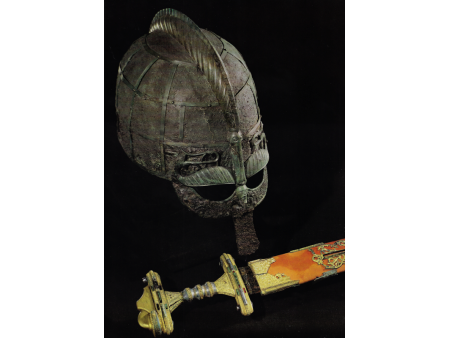
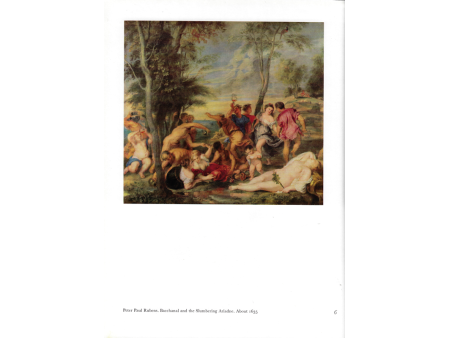
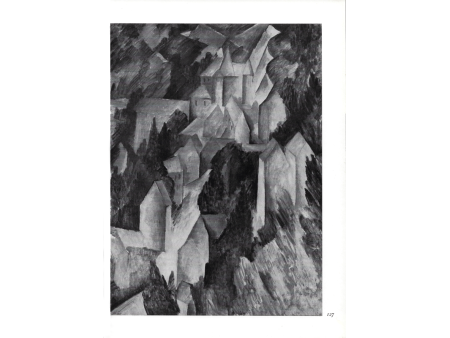
The most beautiful works of art from twelve museums.
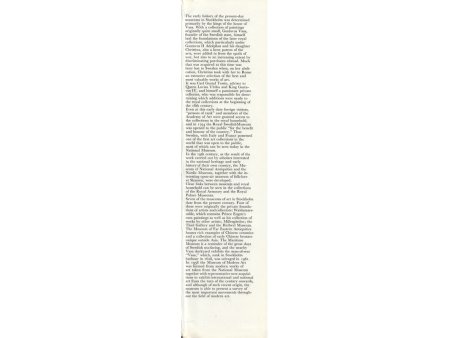
The early history of the present-day museums in Stockholm was determined primarily by the kings of the house of Vasa. With a collection of paintings originally quite small, Gustavus Vasa, founder of the Swedish state, himself laid the foundations of the later royal collections, which particularly under Gustavus II Adolphus and his daughter Christina, also a keen patron of the arts, were added to from the spoils of war, but also to an increasing extent by discriminating purchases abroad. Much that was acquired at this time was later lost to Sweden when, on her abdication, Christina took with her to Rome an extensive selection of the best and most valuable works of art.
It was Carl Gustaf Tessin, adviser to Queen Lovisa Ulrika and King Gustavus IV, and himself a passionate private collector, who was responsible for determining which additions were made to the royal collections at the beginning of the 18th century.
Even at this early date foreign visitors, "persons of rank" and members of the Academy of Art were granted access to the collections in the royal household, and in 1794 the Royal Swedish Museum was opened to the public "for the benefit and honour of the country." Thus Sweden, with Italy and France possessed one of the first art collections in the world that was open to the public, most of which can be seen today in the National Museum.
In the 19th century, as the result of the work carried out by scholars interested in the national heritage and early history of their own country, the Museum of National Antiquities and the Nordic Museum, together with the interesting open-air museum of folk-lore at Skansen, were developed.
Close links between museum and royal household can be seen in the collections of the Royal Armoury and the Royal Palace Museums.
Seven of the museums of art in Stockholm date from the present century. Four of these were originally the private foundations of artists and collectors: Waldemarsudde, which contains Prince Eugen's own paintings as well as his collection of works by other artists; Millesgarden; the Thiel Gallery and the Hallwyl Museum. The Museum of Far Eastern Antiquities houses rich examples of Chinese ceramics and a collection of early Chinese bronzes unique outside Asia. The Maritime Museum is a reminder of the great days of Swedish sea-faring, and the nearby Vasa dockyard exhibits the man-of-war "Vasa," which, sunk in Stockholm harbour in 1628, was salvaged in 1961.
In 1958 the Museum of Modern Art was formed from modern works of art taken from the National Museum together with representative new acquisitions to exhibit international and national art from the turn of the century onwards, and although of such recent origin, the museum is able to present a survey of the most important movements throughout the field of modern art.

Der deutsche Impressionismus: Die Hauptmeister in der Malerei. Begleittext von Karl Römpler. Verlag der Kunst Dresden.

Monografická studie, kladoucí si za cíl nastínit českému čtenáři složitý vývoj díla a načrtnout v úhrnných rysech lidský a umělecký profil Roberta Rafailoviče Falka.

Nejbytostnějším rysem gotického umění je monumentálnost, přísné, skoro asketické linie a hluboce zakořeněné náboženské aspekty. Gotika byla po Evropě šířena prostřednictvím mnišských řádů. Hlavním projevem umění je architektura. Nalezla své uplatnění především ve stavbě katedrál a hradů, radnic, mostů, měšťanských domů, ale i v lidových hrázděných domech...

Das 15. und 16. Jahrhundert werden oft als das goldene Zeitalter der deutschen Malerei bezeichnet und brachten eine stolze Reihe grosser Künstler hervor. Als die drei grössten galten dem Humanisten Melanchthon: Albrecht Dürer, Matthias Grünewald und Lucas Cranach der Ältere. Melanchthons Urteil hat bis heute nichts an Gültigkeit verloren, und Lucas Cranachs Name bewahrte seinen Glanz.

Kniha v německém jazyce. Obsahuje obrazovou přílohu výtvarných děl Státní galerie v Drážďanech.

Publikace obsahuje úvodní esej od Carla Bernariho, rozvádějícího dobově příznačný divadelní aspekt tvorby Tintoretta, a dále pečlivý katalog sestavený historikem umění Pierluigim de Vecchi. Chronologicky řazená díla jsou doplněna technickými parametry a informovaným textem o jejich vzniku a osudech. Publikace má 64 celostranných barevných příloh a kolem 570 malých černobílých reprodukcí obrazů.
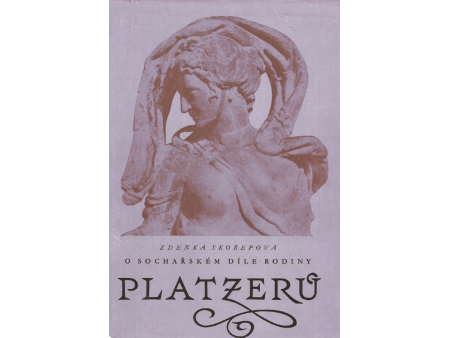
O sochařském díle rodiny Platzerů aneb Příspěvek k dějinám středoevropského sochařství.

Obrazová odborná publikace se věnuje výtvarným projevům tradičního lidového umění na Slovensku, zejména keramice, řezbářství a malbě. Druhý svazek velkého dvoudílného cyklu seznamuje čtenáře s bohatstvím a různorodostí materiálových a technických tradic lidové tvorby, doplněné černobílými i barevnými reprodukcemi děl, které dokumentují estetické a kulturní hodnoty lidové výtvarné produkce...

Celá Modiglianiho tvorba, kompletně v katalogu této knihy dokumentovaná černobílými reprodukcemi, čítá 337 malířských a 25 sochařských děl. Jak už tomu bylo i u předchozích svazků edice Klasikové umění, tvoří jádro knihy 64 barevných příloh, zasvěcená studie o umělci a výběr textů, odrážejících Modiglianiho život a dílo v zrcadle současníků i dnešní historie umění.

In einem attraktiv gestalteten, mit zahlreichen Farbtafeln ausgestatteten Bildband stellt der Autor 87 zeitgenössische Leipziger Maler, Graphiker und Bildhauer vor. Wir begegnen dabei Künstlern wie Wolfgang Mattheuer, Werner Tübke und Bernhard Heisig, sowie deren Schülern, oft vereinfachend als »Leipziger Schule«...

Místo, jež zaujímá Julius Mařák v českém krajinářství 19. století, je významné z hlediska jeho celkového vývoje. Dílo Mařákovo není sice průkopníkem ani myšlenkových ani formálních nových názorů, je však dovršitelem českého krajinářství, jak se vyvíjelo pod zorným úhlem středoevropských uměleckých směrnic.

LUDVIKA SMRČKOVÁ se narodila 23. 2. 1903 v Kročehlavech. V letech 1921—27 studovala na Uměleckoprůmyslové škole v Praze — všeobecná škola profesora Dítěte, V. H. Brunnera, speciální škola F. Kysely. V letech 1927—1948 byla profesorkou na učitelských ústavech v Příboře, Litomyšli, Kladně, na dívčím reálném gymnasiu v Praze I, Dušní ulice...

Obrazová publikace s barevnými fotografiemi moravských památek. Doprovodný text v českém, ruském, německém a anglickém jazyce.

Z obsahu: Historický vývoj umeleckých remesiel na Slovensku | Umelecké remeslá na Slovensku po roku 1945 | Umelecké remeslo - tvorivá činnosť | Umelecké remeslá v tvorbe životného prostredia.
The most beautiful works of art from twelve museums.

